Tag Archives: Parts
How to choose a telescopic slide: the costly mistakes in production | REIMAN
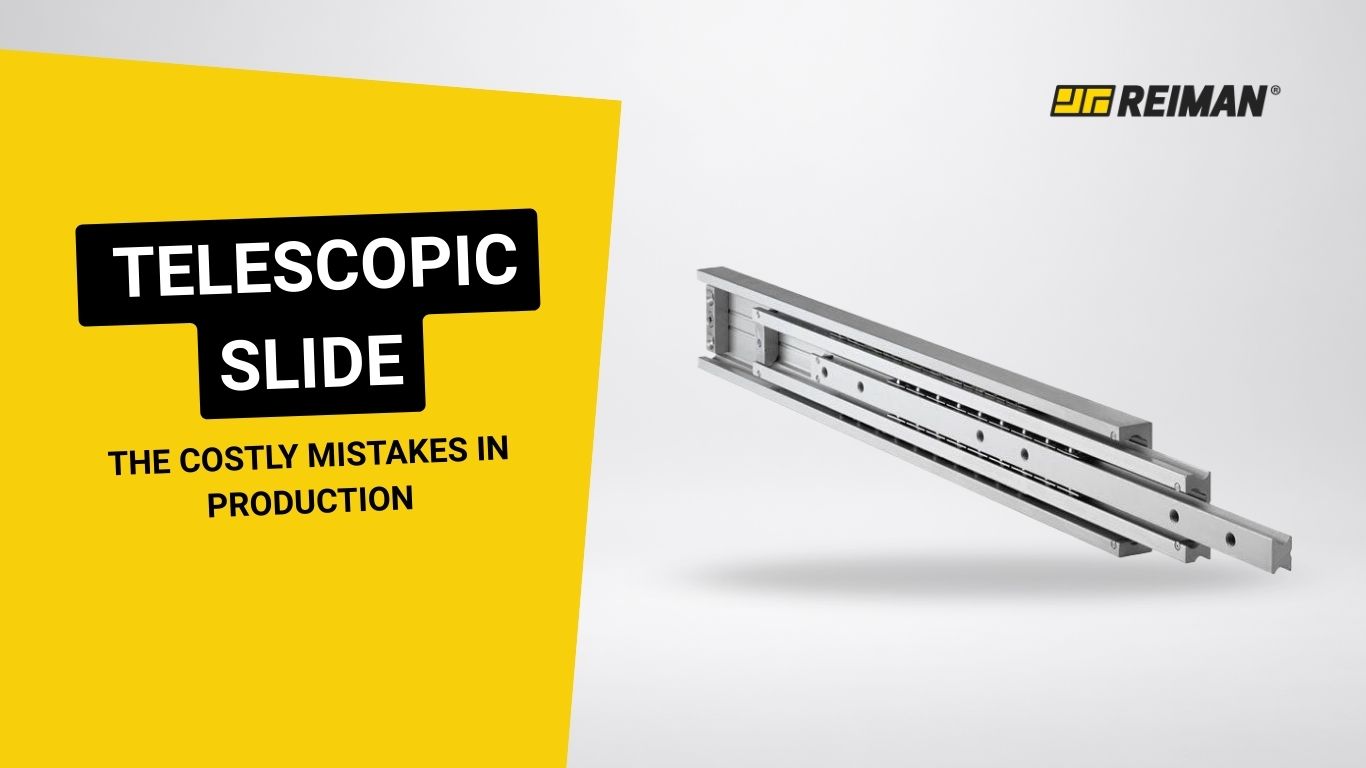
How to choose a telescopic slide: the costly mistakes in production | REIMANYou selected the right slide. The nominal load matches, the length too. Yet, six months after commissioning, it breaked down, blocked or failed. This is a scenario encountered every year by hundreds of engineers and ...
Read More »
Seal Guide: How to choose between NBR, Viton, and EPDM? | REIMAN
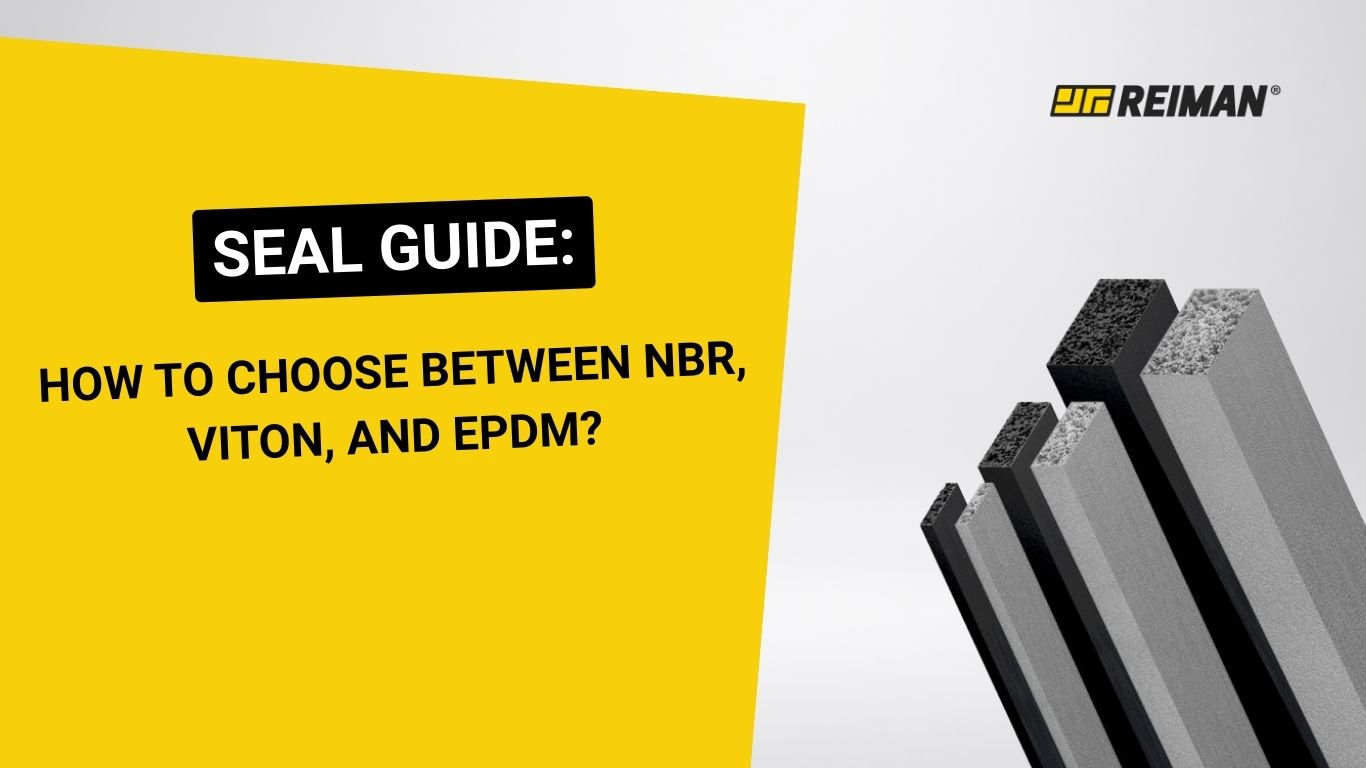
Seal Guide: How to choose between NBR, Viton, and EPDM? | REIMANIn the industry, the choice of seals is not made at random. A poor choice of material for your seals can cause premature leaks, costly production stoppages, and even serious risks to the safety of your facilities. At Reiman, we work ...
Read More »
Crown wheel and worm gear reducers: when they are the best industrial choice | REIMAN
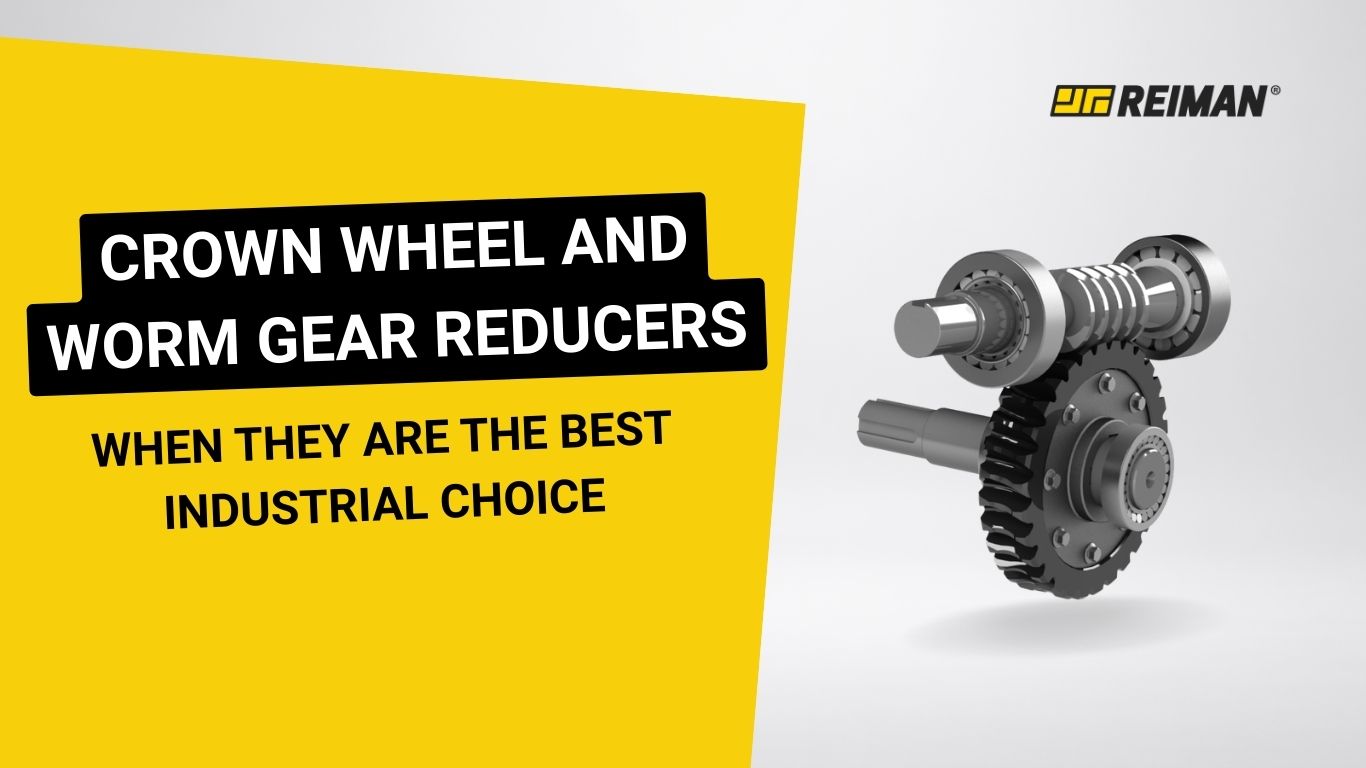
Crown wheel and worm gear reducers: when they are the best industrial choice | REIMANIn the world of power transmission, choosing a gearbox is not simply a matter of torque and speed. It is a strategic decision that affects the structure of your machines, the safety of your operators, and the ...
Read More »
How to Choose the Right Slide? | REIMAN

How to Choose the Right Slide? | REIMANChoosing the right slide is a determining factor for the performance, durability, and reliability of any sliding system.Although it is often seen as a secondary component, the reality is that an inappropriate specification can compromise the entire project.To ...
Read More »
What types of Operating Elements are most commonly used in industry?
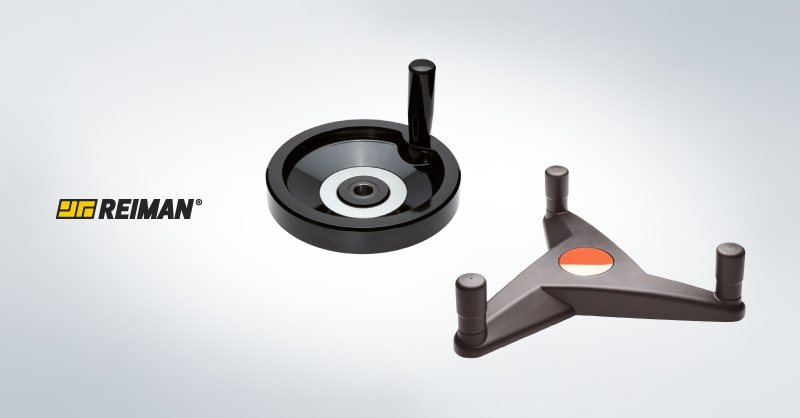
Embraced in the generic portfolio of Operating & Machine Parts, Operating Elements are very important, allowing the manual (...) in many industry sectors. Due to its fact, it's necessary to ensure the product in hand to be perfectly adapted and ergonomic for manual use. Elesa+Ganter's handwheels and crank handles are well thought, designed and produced to correspond to its necessitites of any workplace, suiting the material to its composition and the way they must be driven. These are the types of handwheels and crank handles applied in the industry. ...
Read More »
Surface Treatment on Additive Manufacturing Parts
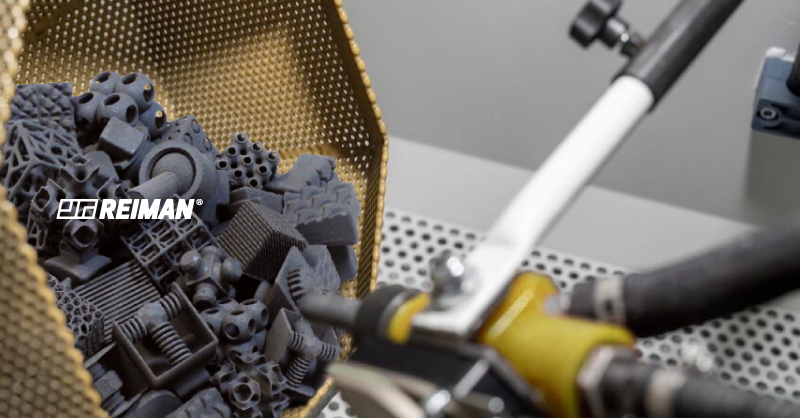
It's common to see that 3D printed parts, once completed, reveal a type of texture based on the technology in which they were produced. Depending on the function, it is important that the part's surface has certain characteristics that eliminate the risk of compromising its functionality or that of the assembly it is part of. While various additive manufacturing technologies specialize in building a part with the accuracy and demands associated with quality requirements, surface treatment specializes in enhancing the part of prominent textures or retained waste, and RMN Additive offers the following surface treatment services for additive manufacturing parts. ...
Read More »
What types of Castors are used for Aluminium Structures?
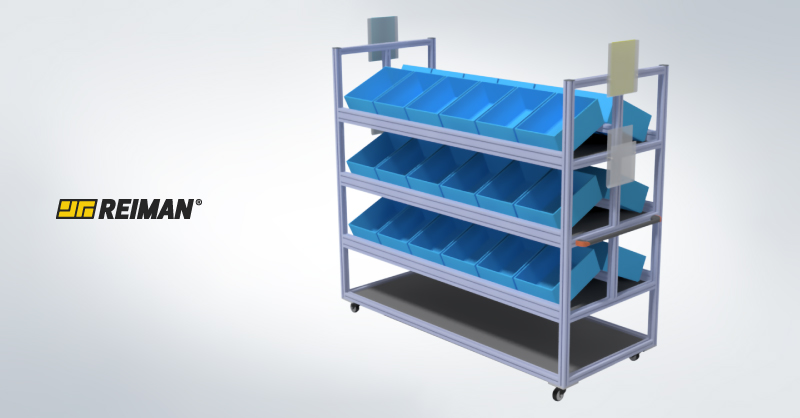
Technical profile aluminum structures with mobile characteristics allow for a presence and flexible function in various industrial production environments. Along with the lightweight nature of the structure, the mobility applied to these structures facilitates compliance and increasing production. In order for a mobile structure to meet the requirements for its intended purpose, Reiman offers various types of castors developed for different applications. ...
Read More »
Accuride - DA1532 Pocket Door Slide
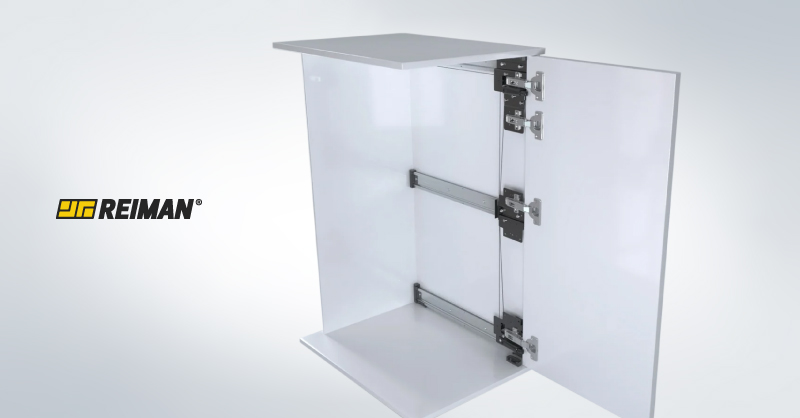
Our partner Accuride presents a new product developed for heavier doors and room dividers, in rooms with a high ceiling. The DA1532 pocket door system is designed to support heavier doors up to 45Kg and to be adjustable to the furniture’s size. This pocket door slide is suitable for doors up to 3 meters in height and 1 meter in width. ...
Read More »
What is SLS? (Selective Laser Sintering)
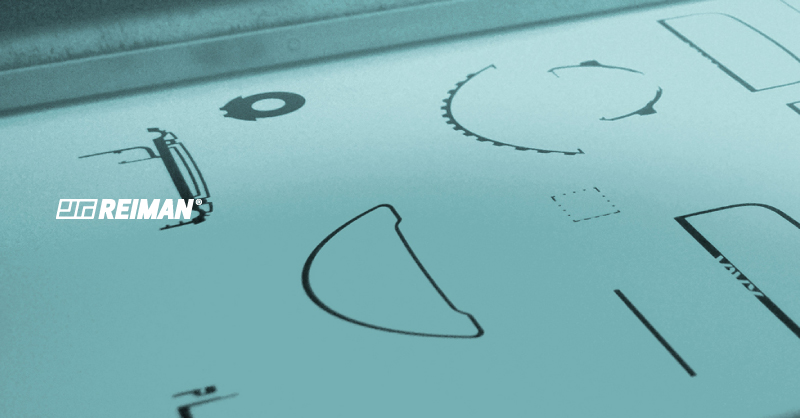
RMN Additive presents a new technology in their 3D printing function panel, which production method sums it up to a sintering process on a polymeric powder through a laser beam, layer by layer. SLS technology (Selective Laser Sintering), primordially developed in the mid 1980’s, and recently innovated for more effective and sustainable needs, is the most preferred technology by industry professionals, due to its productivity and capacity in printing practical and resistant parts. ...
Read More »
Differences between ball, roller and tapered roller bearings
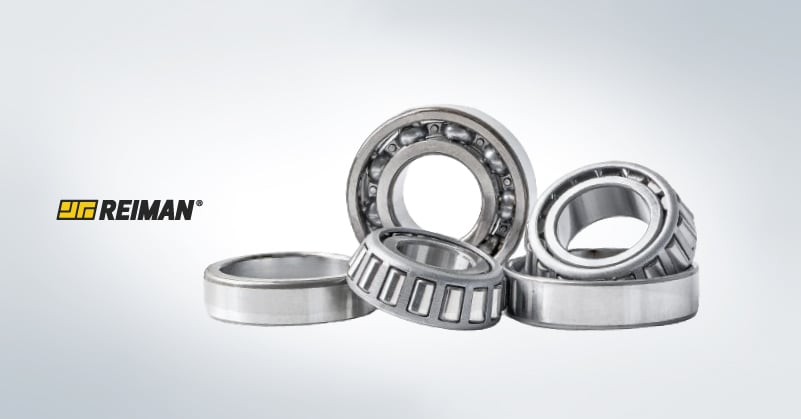
A bearing's main function is to reduce friction between different contact surfaces during rotary movement. There are various types of bearings; discover the differences between them. ...
Read More »